25 Apr 2023
Currently, the demand to produce molds is rapidly increasing in the Russian market. The number of molds required for a single injection molding machine depends on the product range and production volume.
The manufacturing of molds involves several critical stages:
1. Concept Development
Every project begins with a sketch of the product or an existing prototype, followed by a detailed technical analysis to identify key aspects and potential risks, enabling optimization of the manufacturing process.
2. Modeling
Once the sketch is approved, a 3D volumetric model is created. Based on the technological requirements of the final product, the type and color of polymer are selected for the mold design.
3. Mold Design
Specialized software simulates the injection molding process. This stage helps prevent potential issues during production, optimizes cooling systems, reduces cycle times, and enhances the quality and durability of both the tooling and the finished product.
4. Tooling Manufacturing
This process combines intellectual expertise with machining resources. Each component of the mold undergoes various treatments, including electrical discharge machining, milling, turning, thermal treatment, and grinding, depending on its purpose.
5. Testing
At this stage, dimensional verification is performed using optical measurement tools to ensure perfect conformity to design specifications.
6. Sample Production
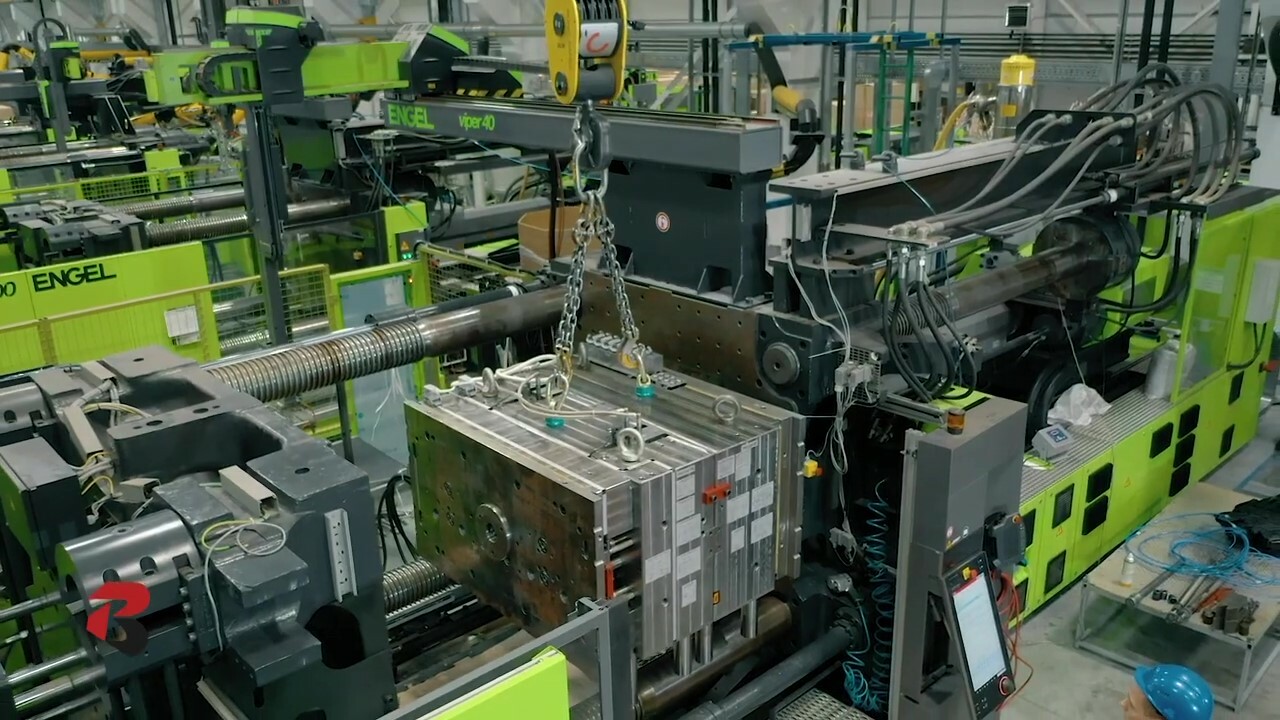
After testing, all mold components are assembled and fine-tuned. The tooling is then installed on the injection molding machine to evaluate its efficiency and operational performance. If the tests are successful, a detailed analysis of the produced sample is conducted with specifications.
7. Production Launch
Once approved, the first production cycle begins. During this phase, parts are inspected for compliance, and the mold’s performance is monitored for defects during the run-in period.
Vega-Ryazan is a reliable engineering company with 19 years of experience providing comprehensive turnkey solutions in mold design and manufacturing. Our engineers possess over 10 years of combined experience in mold design, with a special focus on DFM (Design for Manufacturing) — streamlining product development and improving ease of production — as well as automation integration.
Today, our molds are used to produce plastic components in all industries. Our technological expertise, quality standards, and versatility enable us to serve delicate, complex, and highly competitive sectors with customized solutions where safety and precision are paramount.